

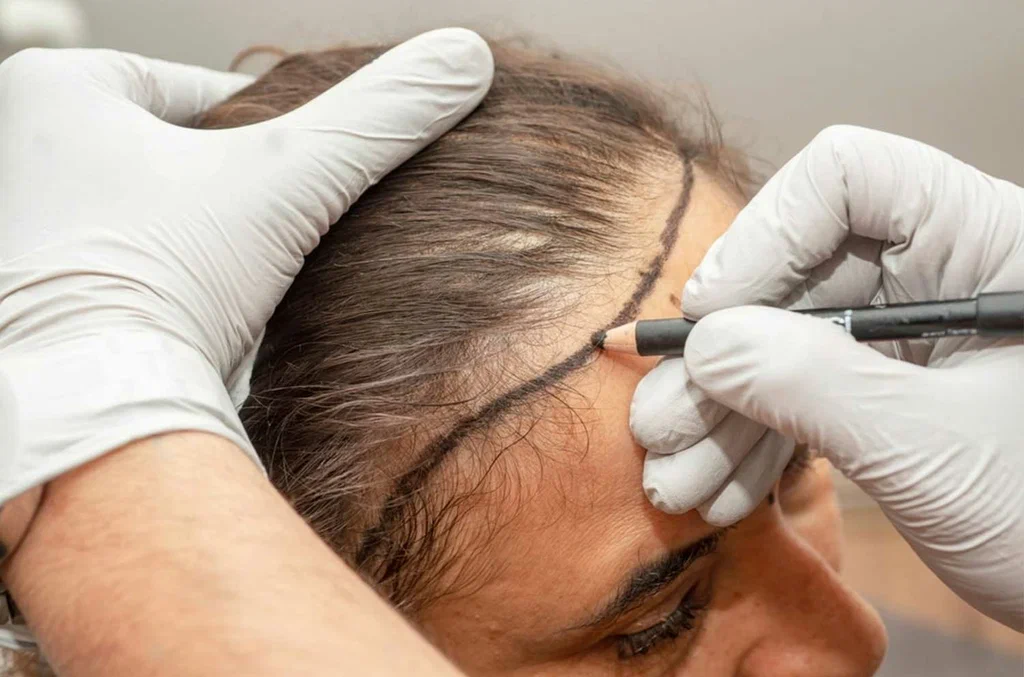
Hair damage is rarely dramatic. It doesn’t usually happen overnight or announce itself with sudden bald patches. Instead, it develops quietly through everyday habits that seem harmless on the surface. Because these habits are part of routine life, most people don’t associate them with hair loss until visible thinning or excessive hair fall becomes difficult to ignore.
Understanding how daily choices influence hair health is essential, not just for prevention but for recognising when damage may have progressed beyond natural recovery. Many people only begin reflecting on these habits once they start considering advanced solutions, unaware that the problem often began years earlier.
Why Hair Damage Is Often Missed in the Early Stages
One of the main reasons hair damage goes unnoticed is that hair loss is typically delayed. The effects of stress, poor nutrition, or mechanical damage do not show up immediately. Instead, hair follicles respond weeks or even months later. By the time shedding becomes visible, the triggering habit may no longer feel relevant.
Another reason is normalisation. Shedding a few strands daily feels normal, so gradual increases often go unnoticed. Hair also adapts temporarily, masking damage until the follicle weakens significantly. This slow progression creates a false sense of security, allowing harmful patterns to continue uninterrupted.
Social perception plays a role as well. Many people attribute early thinning to aging or genetics without examining their lifestyle. While genetics do influence hair loss, they often interact with daily habits, accelerating damage far sooner than expected.
Everyday Habits That Gradually Weaken Hair and Scalp Health
Several common habits contribute to long-term hair damage. Individually, they seem manageable. Combined, they quietly strain hair follicles and scalp health over time.
One of the most common issues is overwashing. Frequent shampooing with harsh products strips the scalp of natural oils that protect hair shafts. This leads to dryness, breakage, and an imbalanced scalp environment. Over time, follicles become less efficient at producing strong hair.
Heat styling is another major contributor. Regular use of blow dryers, straighteners, and curling tools alters the protein structure of hair. Without proper heat protection, repeated exposure weakens strands internally, making them prone to breakage long before visible thinning occurs.
Styling choices also matter. Tight ponytails, buns, or braids create constant tension at the roots. This traction gradually damages follicles, especially along the hairline and temples. Because the damage develops slowly, many only recognise it once recession becomes noticeable.
A few habits that quietly add up include:
- Brushing wet hair aggressively, when strands are most fragile
- Sleeping on rough pillowcases that increase friction
- Frequent chemical treatments, such as colouring or straightening
These habits don’t cause immediate hair loss, but over time, they reduce the hair’s ability to recover and regenerate.
The Role of Stress and Lifestyle in Hair Damage
Stress is one of the most underestimated factors in hair health. Chronic stress disrupts hormonal balance and pushes hair follicles into a resting phase. The result is increased shedding several months later, often when stress levels have already normalised.
Because of this delay, people rarely connect hair loss with stress. They may assume the issue appeared suddenly, when in reality it was triggered much earlier. This is one reason many individuals eventually begin exploring hair transplantation in Mumbai, believing their hair loss is abrupt or irreversible, when it has actually been building gradually.
Sleep patterns also influence hair health. Poor sleep affects hormone regulation and cellular repair, both of which are critical for healthy hair growth. Combined with stress, inadequate sleep accelerates follicle fatigue.
Environmental exposure further compounds the problem. Pollution, hard water, and UV exposure weaken hair cuticles over time, especially when hair care routines do not compensate for these stressors.
Nutrition and the Slow Decline of Hair Strength
Hair is a non-essential tissue from the body’s perspective. When nutrition is inadequate, the body prioritises vital organs over hair growth. As a result, hair quality is often the first visible sign of internal imbalance.
Low protein intake weakens hair structure, while deficiencies in iron, zinc, and essential vitamins slow follicle activity. These deficiencies rarely cause sudden hair loss. Instead, they lead to thinner, slower-growing hair that gradually loses density.
Crash diets and inconsistent eating patterns worsen the issue. Even when calorie intake returns to normal, hair follicles may take months to recover. This delayed response often confuses people, making it difficult to identify nutrition as the underlying cause.
Over time, repeated nutritional stress reduces the follicle’s resilience. At this stage, natural regrowth becomes slower and less predictable.
When Daily Damage Reaches a Critical Point
Hair has a remarkable ability to recover—up to a point. When damaging habits persist for years, follicles may weaken beyond natural repair. At this stage, reducing hair fall becomes difficult even after lifestyle improvements.
This is often when people begin seeking professional solutions and researching options, including understanding hair replacement cost in India. Many are surprised to learn that intervention is needed not because of a single cause, but because of cumulative damage over time.
What makes this realisation challenging is hindsight. Looking back, the signs were often subtle: reduced volume, slower growth, or increased breakage. Unfortunately, these signals are easy to dismiss until the density visibly changes.
How Small Adjustments Can Slow or Reverse Early Damage
The reassuring part about hair damage caused by daily habits is that it is not always permanent—especially when identified early. Hair follicles are resilient by nature, and in many cases, they respond positively when stressors are reduced and care routines are adjusted thoughtfully.
Small changes often create a meaningful impact. Reducing excessive heat styling, switching to gentler cleansing routines, and allowing the scalp to maintain its natural oil balance can gradually improve hair strength. Even something as simple as loosening tight hairstyles or avoiding aggressive brushing when hair is wet helps reduce mechanical stress on follicles.
Stress management also plays a role. While stress cannot be eliminated, improving sleep quality, maintaining consistency in daily routines, and incorporating restorative habits can help regulate the hormonal fluctuations that affect hair growth cycles.
Nutrition works similarly. Hair does not respond instantly to dietary improvements, but with consistency, follicles begin to regain strength. This slow recovery often mirrors the way damage developed in the first place—gradually rather than suddenly.
Awareness as the First Step Toward Prevention or Recovery
Daily habits do not damage hair overnight, and they don’t need to be extreme to have an impact. It is the repetition that matters. Awareness allows individuals to correct course early, strengthening hair health before irreversible damage occurs.
For some, adjusting habits and improving lifestyle choices may be enough to restore hair strength. For others, especially where damage has progressed significantly, professional guidance becomes necessary.
Understanding the role daily habits play helps people approach hair care with intention rather than reaction. Whether the goal is prevention or restoration, recognizing these patterns early can significantly influence long-term outcomes.